
Fine Art Photography Prints of Scotland: Choosing a Landscape for Your Home
How scale, orientation and atmosphere can help you choose a Scottish landscape photograph that becomes part of your home.
Scotland
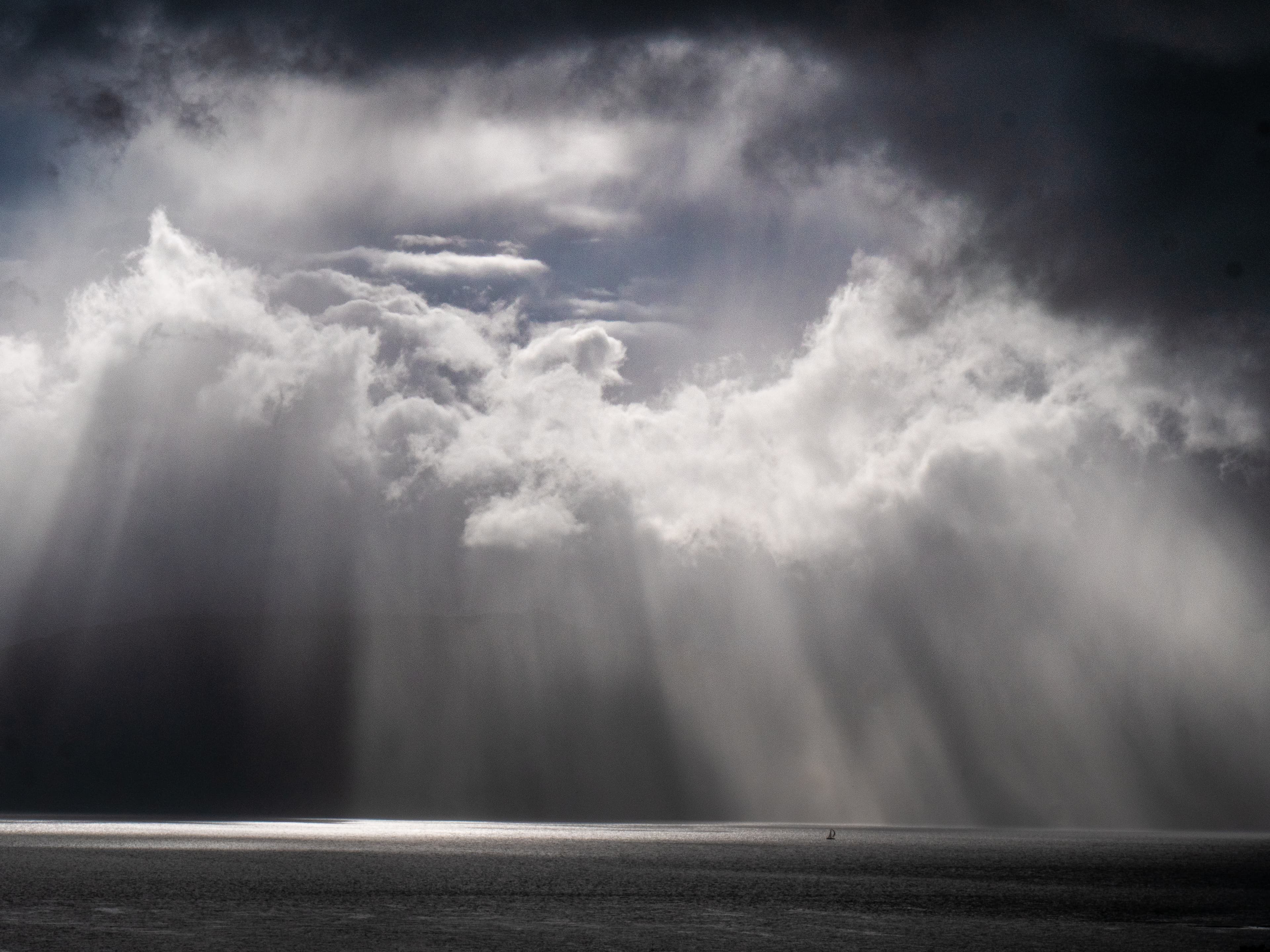
There is something about the Scottish landscape that refuses to remain simply a view.
Weather changes quickly. Light moves across mountains and lochs. A familiar place can feel entirely different from one hour to the next. For me, that unpredictability is part of the attraction of photographing Scotland — and part of what makes a Scottish landscape photograph work so well within a home.
Choosing a fine art print is not simply about finding a photograph that matches a sofa or fills an empty wall. The strongest pieces create an atmosphere. They remind us of a place, a journey, a memory, or sometimes a feeling that is difficult to explain.
A landscape becomes part of the room.
Start with the feeling, not the colour scheme
It is tempting to choose artwork by matching colours already present in an interior. That can work, but it is rarely where I would begin.
Instead, ask what you want the room to feel like.
A photograph of Glencoe beneath heavy weather can bring drama and depth to a quiet room. Reflections across Highland water can create something more contemplative. Warm evening light can soften a contemporary interior, while a more graphic architectural photograph can add structure and contrast.
The photograph does not need to disappear into the room. Often, the most successful piece is the one that introduces something the room did not already have.
That might be movement. Stillness. Scale. Or simply a sense of somewhere beyond the walls.
Why Scottish landscapes work particularly well as large prints
Scotland has a natural sense of scale.
Mountains, open skies, valleys and changing weather often need space to breathe. When a landscape photograph is printed larger, small details begin to emerge: buildings beneath a mountain, light crossing a hillside, mist separating one ridge from another.
A larger print also changes the relationship between the viewer and the photograph. Instead of looking at a small image on a wall, you begin to feel as though you are looking into a place.
For larger living rooms, hallways and commercial interiors, an A1 or A0 fine art print can become the focal point of the space. An A2 print can work beautifully in a more intimate room, above a console, beside a reading chair or as part of a carefully considered group of objects.
The important thing is proportion. The artwork should have enough presence to hold the wall without overwhelming the room.
Portrait or landscape?
The orientation of the photograph matters just as much as its size.
Landscape-format photographs naturally suit long walls, spaces above sofas, beds and desks, and rooms where the artwork can stretch visually across the architecture.
Portrait photographs work differently. They draw the eye upward and can be particularly effective between windows, on narrower walls, in hallways or where a room has generous ceiling height.
Neither is better. The architecture of the room usually tells you which format it wants.
At LKDWN Prints, every artwork is presented in its true orientation and within standard A-series proportions. The photograph may be carefully cropped for the final print, but it is never stretched or distorted to fit an artificial frame. The integrity of the original image always comes first.
Choosing between dramatic and quiet landscapes
Not every Scottish photograph has to be dark and brooding.
Scotland certainly provides drama — particularly around Glencoe, Rannoch Moor and the Highlands — but the landscape also contains moments of remarkable calm.
A photograph such as Buachaille Etive Mòr can bring a strong sense of place and scale into a room. The mountain is immediately recognisable, but what interests me just as much is the atmosphere around it: cloud, mist, changing light and the feeling of arriving in the Highlands.
Other images work more quietly. Water, reflections, winter light and distant mountains can create a slower experience. These photographs tend to reveal themselves over time rather than demanding attention immediately.
For a main living space, you may want something with presence. For a bedroom, study or reading space, something quieter may feel more appropriate.
There are no fixed rules, but thinking about how you use the room can make the decision much easier.
The photograph is only the beginning
Taking the photograph is the beginning of my creative process rather than the end of it.
Once I return to the image, I work with light, colour, contrast and atmosphere to shape the final piece. The aim is not to reproduce exactly what the camera recorded. It is to create the photograph as I remember experiencing the place.
A landscape photograph can be technically accurate and still fail to communicate how a place felt.
The finished print is an interpretation — a combination of the original moment and the work that follows afterwards. For me, that is where photography becomes fine art.
Think about where you will see the photograph
One useful question when choosing a print is very simple: Where will I see it most often?
A piece hanging opposite the entrance to a room needs to work from a distance. Artwork beside a desk or dining area will be viewed much more closely.
A large photograph above a sofa becomes part of the architecture of the room, while a smaller framed print can create a more personal relationship with the viewer.
Also consider natural light. A photograph containing dramatic skies or deep Highland colours can look particularly beautiful as daylight changes across the room. More delicate images can benefit from quieter spaces where their tonal detail is easier to appreciate.
The best placement allows the photograph to become part of everyday life rather than simply decoration.
Choose the landscape you keep returning to
Ultimately, I think the best reason to choose a photograph is because something about it stays with you.
Perhaps you know the place. Perhaps you have driven through Glencoe in winter, stood beside a Highland loch, or watched the weather move across Rannoch Moor. Or perhaps you have never been there at all.
That does not matter. A photograph can create its own memory.
The landscapes I photograph mean something to me, but once the finished print leaves my studio, I want the viewer to bring something of their own to it.
The picture begins with my experience of a place. What happens afterwards belongs to whoever chooses to live with it.